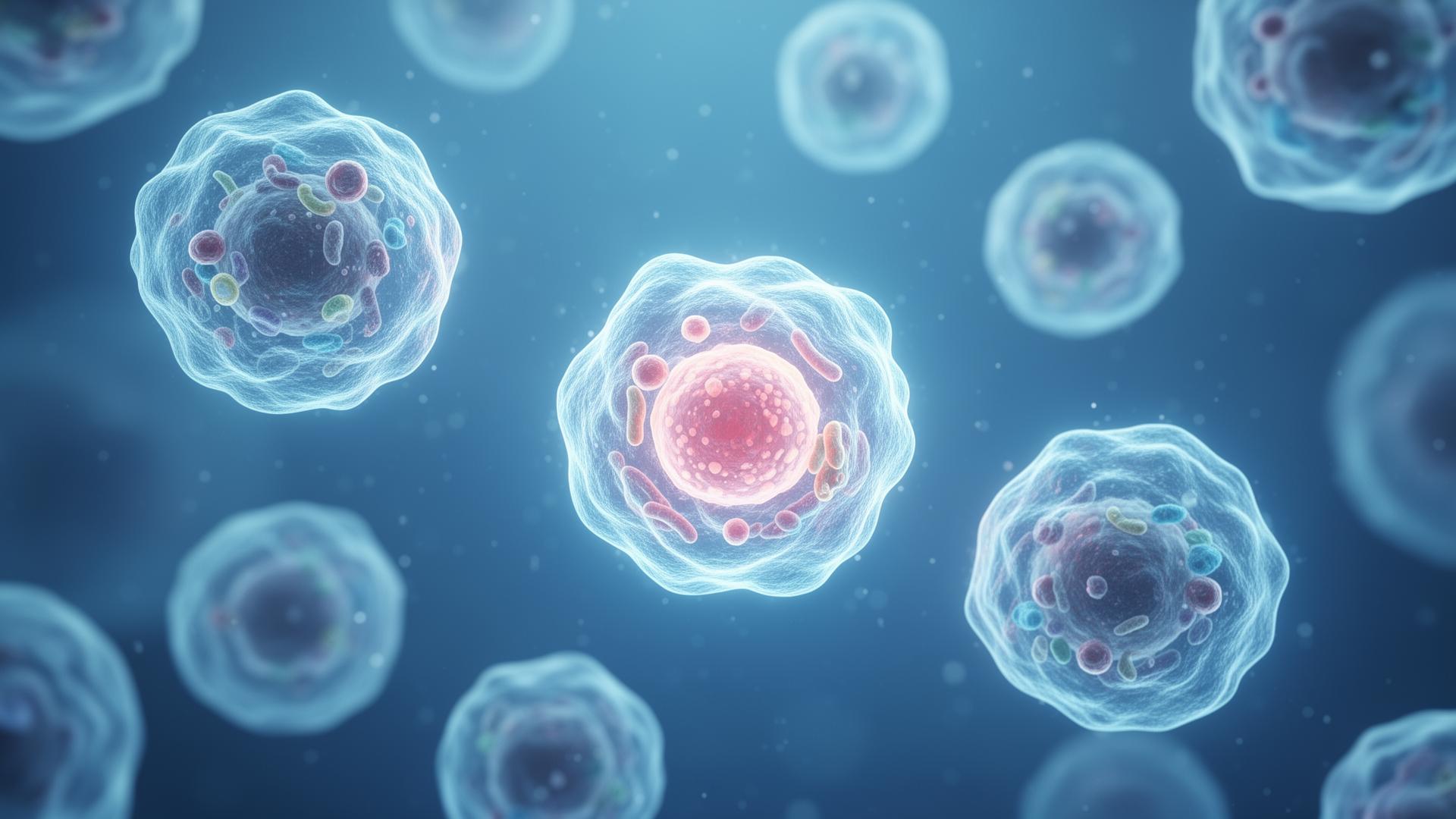
Advanced Therapy Products (ATPs) represent a new frontier in medicine: medicines based on genes, cells or tissues that offer treatment possibilities for diseases that were previously considered incurable. In Brazil, this field is expanding rapidly, with specific ANVISA regulation and increasing investments in research and development.
In this article, we explain what ATPs are, how they are classified, what the Brazilian regulatory landscape looks like, and what the perspectives are for the sector in the coming years.
What are Advanced Therapy Products?
ATPs are innovative medicines that use genes, cells or tissues as raw materials to treat, prevent or diagnose diseases. Unlike conventional medicines (chemical molecules) or biologics (proteins produced by living organisms), ATPs act more deeply, being able to modify cellular processes and even correct genetic defects.
The three categories of ATPs
Gene Therapy
Introduces, alters or replaces genetic material in patient cells to treat or prevent diseases. Examples include treatments for rare genetic diseases, some types of cancer and hereditary conditions.
Cell Therapy
Uses living cells (autologous or allogeneic) that have been manipulated or processed to acquire specific therapeutic characteristics.
Tissue Engineering
Combines cells, biomaterials and growth factors to create functional substitutes for damaged tissues or organs.
ATP Regulation in Brazil: the role of ANVISA
ANVISA (National Health Surveillance Agency) is responsible for ATP regulation in Brazil. The current regulatory framework is based on specific resolutions that establish requirements for research, development, production and commercialization of these products.
Brazilian Regulatory Framework
RDC 506/2021
Establishes technical requirements for ATP registration, including non-clinical, clinical studies and quality control.
RDC 508/2021
Defines specific Good Manufacturing Practices (GMP) for ATPs, considering the particularities of these products.
GMP Certification
Requirement for certification of production facilities, with regular ANVISA inspections.
Traceability
Mandatory complete traceability from biological material collection to patient administration.
Challenges and opportunities in Brazil
Specialized infrastructure
ATPs require highly specialized production facilities, with clean rooms, specific equipment and trained teams.
High costs
ATP development and production involves significant costs, which impacts access and incorporation by SUS.
Complex logistics chain
Many ATPs are personalized products that require cryogenic logistics and short expiration dates.
Biotechnology expertise
Brazil has centers of research excellence and qualified professionals in cellular and molecular biology.
Growing demand
Rare diseases and conditions without conventional treatment represent a significant market for ATPs.
International partnerships
Collaborations with foreign institutions accelerate technology and knowledge transfer.
Global advanced therapies market
The ATP market is rapidly expanding globally, driven by regulatory approvals, R&D investments and promising clinical results.
| Segment | Size 2024 | Projection 2030 | CAGR |
|---|---|---|---|
| Gene Therapy | US$ 7.8 B | US$ 35.7 B | 28.7% |
| Cell Therapy | US$ 12.4 B | US$ 48.2 B | 25.4% |
| Tissue Engineering | US$ 4.2 B | US$ 15.8 B | 24.6% |
CellPraxis: ATP development in Brazil
CellPraxis, a company of the Axis Biotec Brazil group, is a pioneer in the development and production of Advanced Therapy Products in the country. With certified infrastructure and specialized team, the company works to make innovative therapies accessible to Brazilian patients.
- Laboratories with Good Manufacturing Practices (GMP) certification
- Multidisciplinary team of scientists and regulatory specialists
- Partnerships with national and international research centers
- Product pipeline in different development phases
Frequently asked questions about ATPs
Future perspectives
The ATP field is evolving rapidly. Trends such as CRISPR gene editing, "off-the-shelf" cell therapies, and combining ATPs with other therapeutic modalities promise to further expand treatment possibilities.
In Brazil, significant growth is expected in the coming years, with an increase in clinical trials, regulatory approvals and local production. Integration between specialized companies like CellPraxis, research centers and the health system will be key to democratizing access to these transformative therapies.
Conclusion
Advanced Therapy Products represent a paradigm shift in medicine, offering personalized and potentially curative treatments for previously untreatable conditions. Brazil is positioning itself in this scenario with adequate regulation and specialized companies, although infrastructure and access challenges still need to be overcome.
References
- ANVISA. Resolution RDC 506/2021 - Advanced Therapy Products.
- ANVISA. Resolution RDC 508/2021 - Good Manufacturing Practices for ATPs.
- European Medicines Agency (EMA). Advanced Therapy Medicinal Products.
- FDA. Cellular & Gene Therapy Products.
- Alliance for Regenerative Medicine. Annual Report 2024.
- Nature Reviews Drug Discovery. Cell and gene therapy clinical trials.
- CONITEC. Health technology assessments.
Follow Axis Biotec
Connect with us on LinkedIn
Get updates on science, regulation, and innovation in advanced therapies straight from our institutional feed.